
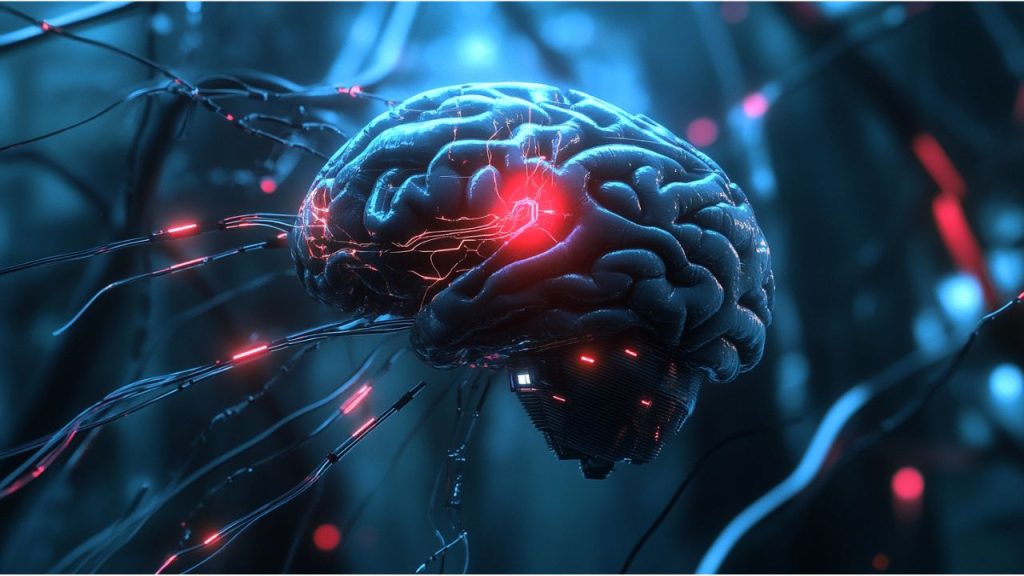
Clinical trials in China using deep-brain stimulation (DBS) to treat opioid addiction have raised concerns after some patients developed compulsive gambling, sexual urges, and other addictive behaviors. The study, conducted by the company SceneRay in 2021–2022, implanted electrodes into the nucleus accumbens, the brain’s reward center, in an effort to reduce drug cravings.
Unexpected Side Effects
The trial included 60 patients, and an investigation by The Beijing News found that nearly 20% experienced severe side effects they described as unmanageable. While DBS was intended to curb opioid dependency, some patients instead developed new compulsions:
-
One former heroin addict gambled away $28,000 over a year and eventually relapsed.
-
Others reported intense sexual urges, pornography addiction, anxiety, mania, and slowed reaction times.
-
One man faced legal trouble for sexual misconduct, claiming the implant influenced his behavior, though the court rejected his defense.
Researchers believe the electrical stimulation may overstimulate the nucleus accumbens, raising the brain’s baseline reward threshold and driving patients to seek new forms of pleasure. Some patients found it impossible to tolerate having the device turned off, reporting severe withdrawal-like reactions.
Mixed Results and Broader Implications
While some patients likely benefited from reductions in opioid cravings, the contrasting cases highlight the risks of manipulating the brain’s reward circuitry. Experts stress that DBS alone is not a complete solution, and environmental factors—such as social support and healthy surroundings—remain crucial in overcoming addiction.
The findings underscore the complexity of addiction treatment, showing that interventions targeting the brain’s pleasure centers can unintentionally create new compulsive behaviors, including gambling and sexual urges, rather than eliminating dependence entirely.
